
The Kailash Mansarovar Yatra is so much more than simply a high-altitude journey. Revered by Hindus, Jains, Buddhists and ancient Bon devotees, this journey will lead you through the remotest regions of the Tibetan Plateau to the surreal, crystalline turquoise waters of the sacred Lake Mansarovar and the majestic summit of Mount Kailash.
A pilgrimage undertaken for centuries by devout Hindus and Buddhists, the 52km circumnavigation of Mount Kailash (the Parikrama) is believed to absolve an individual of all worldly sins and provide enlightenment.
This gradual-paced itinerary begins in Kathmandu with a cleansing circuit to holy spots such as Pashupatinath, Mankamana and Janaki Mandir before heading to Tibet over the Kerung border. Your experience will climax emotionally with a ritualistic Havan and the taking of a holy dip at Lake Mansarovar before beginning the time-honoured 3-day trek around Kailash.
The journey culminates in the crossing of the awe-inspiring 5,650m Dolma La Pass. This pilgrimage removes every comfort from worldly life and in its place offers something altogether more fulfilling - a sublime and everlasting stillness and sense of spiritual peace.









All new bookings can now be taken for the rest of 2026, as well as for 2027 and 2028 (entire seasons). The Tibet Autonomous Region (TAR) works on highly restricted diplomatic quotas, so booking far in advance is essential.
We can handle all required legal documentation for your pilgrimage trip; i.e., your Tibet Travel Permit (TTP), your Alien Travel Permit, the Military Permits, and China Group Visa process on your behalf. However, to save a headache, please get your Chinese visa from your own country.
Considering administrative adjustments like physical fingerprint biometrics, which now have to be done at the China Visa Application Center in Kathmandu, a booking has to be made at least 30 to 45 days prior to travel so all government invitations, border permits, and all other legal documentation are well prepared and approved.
Do the holy Havan and take a holy dip into the crystal-clear waters of Lake Mansarovar at an elevation of 4,590 metres (15,068 feet).
Complete the fabled 52-kilometer Kailash Parikrama (Kora).
Cross over the challenging Dolma La Pass, which stands at an elevation of 5,650 metres (18,275 feet).
Seek Divine Blessings at Some of The Most Famous Pilgrimage Sites in The Region, Including Pashupatinath Temple, Mankamana Temple and Janaki Mandir, Before Crossing Into Tibet.
Participate in The Profoundly Powerful Ritual of Charan Sparsh at Dirapuk.
Witness a Breathtaking Sunrise Over Mount Kailash from Dirapuk.
Join evening prayers at the Historical Chiu Gompa Monastery, situated precariously over the stunning, reflective surface of Lake Mansarovar.
The Kailash Mansarovar Yatra is arguably the most challenging spiritual tour on the planet, a Yatra for which the unfit can never dream. This does not imply it is a trip for a trained athlete or for the dare-devil climber.
Each year, thousands of pilgrims of all physiques and aptitudes have managed to traverse this heavenly domain; all they required was a suitable company, proper planning, and an appropriate mindset.
In general terms, the Yatra is suitable for:
Active Adults 18-70 Years.
No known serious cardiovascular, respiratory or neurological illness.
Can walk 15-20 km/day over rugged ground.
Ready to cope with dangerous conditions like cold temperatures and altitude sickness.
The Yatra is not recommended for:
Uncontrolled high blood pressure, diabetes or heart disease
Anyone who has had a heart attack or stroke in the past 2 years
Pregnant women
Children under 18
Any adult over 33 with a BMI and no medical clearance.
The Earth has no shortage of remarkable pilgrim trails; from the iconic Camino de Santiago in Spain, the sacred Shikoku pilgrimage in Japan, the Indian Char Dham Yatra, to the Way of St. Francis through Italy. Each is unique, and in turn, deeply significant.
However, the Kailash Parikrama exists in its own dimension; set apart by the synergy of its extreme altitude, unique holiness, unparalleled natural splendor and the extraordinary physical and spiritual effort it demands, unlike anything else on the planet.
Almost the entire Parikrama is above 4,600 meters (15,090 ft), with Dolma La Pass (5,650m / 18,537 ft) as the highest point.
At such an altitude, the oxygen level is almost half compared to what we have at sea level, and every step needs great concentration & will. The body's struggle at altitude is an intrinsic part of the soul's journey for liberation.
No other sacred walking expedition in the world holds sanctity in four separate religions- Hinduism, Buddhism, Jainism and Bon.
You are likely to find a Hindu Sadhu chanting mantras of Lord Shiva, a Buddhist monk murmuring praises for Padmasambhava, a Jain pilgrim in deep meditative trance and a Bons walking from opposite direction on the same Parikrama.
The 52km Kailash circuit takes you through the land of the most spectacular and varied beauty.
It ranges from the expansive glacial valleys of the rivers Lha Chu and Dzong Chu, to the awesome rocky amphitheatre below the North Face of the mountain, from the pure waters of the holy Gauri Kund to the grand vistas from the top of the Dolma La. It’s an incredible mix of raw earth and beautiful nature.
There are not many walks anywhere in the world that hold the same power of spiritual significance as the Kailash Parikrama. The absolute faith that a walk round is sufficient to expunge the sins of a lifetime, and a walk of 108 times grants enlightenment, is felt on the trek in every Pilgrim that you meet.
|
Feature |
Kailash Parikrama |
|
Distance |
52 km |
|
Altitude |
4,600–5,650 m |
|
Duration |
3 days |
|
Faiths Involved |
4 (Hindu, Buddhist, Jain, Bön) |
|
Sacred to |
1 billion+ across 4 religions |
|
Physical Difficulty |
Extreme |
|
Spiritual Intensity |
Universally described as transformative |
Most of the travelers are likely coming to the Kailash region with the clear intention of a close view of Mount Kailash and Mansarovar Lake.
However, the sacred landscape of this amazing plateau offers us not one but two equally important, mythological, spiritual landmarks that lie side-by-side on the Tibetan plateau, with Rakshastal (Ravana Lake) being the twin to the most sacred of all lakes.
Mansarovar and Rakshastal sit at virtually the same elevation on the Tibetan plateau.
Although separated only by a slim bridge of land, they are yet worlds apart in Hindu mythology, and exploring both helps us comprehend this mystical landscape we move through in another dimension, adding layers of mythological significance to our Yatra experience.
Lake Mansarovar, at an altitude of 4,590 m, is the most northerly and highest freshwater lake in the world, with a circumference of 87 km and an area of 320 sq km. The lake, which lies on the Tibetan plateau, is regarded as holy by Hindus, Buddhists, Bon and Jains.
The lake is perfectly round with a breathtaking and luminous turquoise blue that cannot be described as belonging to anything other than this divine lake.
To take a holy dip in the icy waters of Lake Mansarovar is considered one of the highest, most fulfilling acts of the whole Yatra; it is said to clear karma, liberate the individual and grant the fulfilment of the most pious of dreams.
Sacred Swans (Raj Hans), regarded in Hinduism as sacred birds of divine wisdom and purity, can be found on the shores.
To the west of Mansarovar is another sacred lake, Rakshastal (4583m), connected to it via a small passage known as Ganga Chu. Unlike the perfectly circular, emerald colored and lively Mansarovar lake with life in it, Rakshastal is a dark blue and crescent-shaped lake which doesn't have any fish or other water creatures in it.
It is believed that the demon king Ravana performed his rigorous penance of 10,000 years to Lord Shiva by sacrificing his ten heads in the holy fire one by one on the shores of Rakshastal, and the latter appeared and blessed him with some super-human powers.
Despite Rakshastal not being a sacred bathing spot, its proximity to Mansarovar and the mythological story of Ravana make it an awesome-looking spot when you travel from Saga to Darchen.
The difference between the two lakes- the one being heavenly and demoniac; one that gives life and one that is void of it; one which is sacred and one that is prohibited - represents the Hindu philosophy of dualism.
|
Feature |
Lake Mansarovar |
Rakshastal |
|
Altitude |
4,590 m / 15,060 ft |
4,583 m / 15,036 ft |
|
Shape |
Round |
Crescent |
|
Size |
320 sq km |
250 sq km |
|
Color |
Luminous turquoise blue |
Deep, dark blue |
|
Aquatic Life |
Rich - fish, birds, swans |
Virtually none |
|
Spiritual Status |
Most sacred lake on Earth |
Associated with Ravana's penance |
|
Ritual Bathing |
Yes - central Yatra ritual |
No - not recommended |
|
Mythological Association |
Created by Lord Brahma |
Ravana's penance site |
There are a few very famous monasteries along the Kailash Yatra path, each with its own unique history, sacred objects, and peaceful vibe, and stopping to see these, even for a short time, will make the Yatra truly special.
Chiu Gompa is the most photographed Monastery on the Yatra path. Situated on a rocky hill above the western edge of Mansarovar Lake, this Monastery has special significance to Buddhist practitioners.
It's where Guru Rinpoche meditated for seven days and where you can even visit his meditation cave within the Monastery. The Monastery is said to be blessed.
Evening prayers in Chiu Gompa, as the sunset light gleams off Mansarovar and the majestic Kailash gleams in the background, is an unforgettable experience for every pilgrim.
Dirapuk Monastery sits north of Kailash and is located very near the Day 1 Parikrama camp.
This is as close to Kailash a monastery gets, and from there you get to see the awesome North Face of the mountain. It's an unpretentious monastery but a place imbued with immense devotion, and Kailash viewed from the roof or window of the monastery will remain in your mind as a memorable sight for the entire Yatra.
After what's considered the hardest day of the Parikrama, the Dolma La crossing, the pilgrims arrive at Zutulpuk Monastery, marking what can be considered the end of the Kora. It's linked to the yoga guru Milarepa, who is believed to have meditated in a cave at the monastery.
Zutulpuk means "miracle cave monastery" based on an incident where the monastery roof was constructed solely with Milarepa's body in a competition with Naro Bnchung.
|
Monastery |
Location |
Altitude |
Key Significance |
|
Chiu Gompa |
Mansarovar Lake shore |
4,600 m |
Guru Rinpoche meditation site; iconic lake views |
|
Dirapuk Monastery |
North Kailash Parikrama |
5,100 m |
Closest monastery to North Face of Kailash |
|
Zutulpuk Monastery |
South Kailash Parikrama |
4,790 m |
Milarepa's miracle cave; end of Parikrama |
|
Seralung Monastery |
Mansarovar Lake |
4,590 m |
Ancient monastery on the lake's eastern shore |
|
Trugo Monastery |
Near Darchen |
4,700 m |
Beautiful views of Kailash and Mansarovar |
A question most asked by those considering the Kailash Mansarovar Yatra for the first time is: Should I do this journey alone or with a group?
Well, in the simplest terms (and something we've touched upon on our permits page), traveling as an individual in Tibet is illegal - you will always need to travel as part of an organized group and with a licensed guide.
However, within the boundaries of this legality, there's still a big and important difference between booking a mass organized group tour or getting together with your friends or family for a private group experience.
By understanding the fundamental differences in terms of quality of experience, the spiritual vibration of your group, your security, your flexibility, and how much it will cost, you can make the right choice for you and your spiritual path.
Large group Yatras, especially the MEA Government batches up to 60 people, do have some tangible benefits. There is something profoundly and emotionally touching about the power of so many like-minded people gathered together, focusing on the sacred.
The unity found on the Parikrama trail, the shared experience of chanting with others by the shores of Mansarovar, and the sheer vibrance and energy of a large Yatra group are experiences that no other travel can provide.
But there are real drawbacks to large group tours. Movement becomes slow, the flexibility of the itinerary is limited, and individual attention from the tour leader and the support team becomes scarce.
Besides, coordinating the travel logistics of 60 people through small, high-altitude narrow trails and very small guest houses requires considerable organization.
An even smaller, privately chartered group, whether it is composed of friends, family or a spiritual community, offers a significantly superior experience for the traveler who values flexibility, privacy and personal attention.
An 8 to 12 person small group remains nimble on the trail, can pace the itinerary appropriately for individuals, adapt easily to changing weather or health concerns, and retain a spiritual tone which is unachievable in a group of 60.
The small group also enables much more meaningful contact with the local Tibetans.
It also offers greater flexibility in monastery visiting, and a more personal rapport with the guide who can more easily frame explanations, spiritual context and routing choices to reflect your group's individual concerns.
Almost every guide to the Yatra preparation talks about physical readiness, equipment, and permits. These things, of course, matter a lot, but the equally important aspects of preparing oneself mentally and spiritually do not usually get the spotlight they warrant.
Preparing yourself mentally for the Kailash Yatra involves cultivating specific inner strengths which this arduous trek actually puts to the test: patience, acceptance, humility, perseverance, and the ability to be fully in the moment.
In the ancient traditions of Hinduism and yoga, a Sankalpa is considered a vow or an intention, a heartfelt expression of the intention that sets the intention and empowers a spiritual endeavor.
By declaring your Sankalpa for your Kailash Yatra, your spiritual adventure is now set with a firm direction, and you'll have an intention woven through the threads of your journey to return to when you face hardship on the trail.
Your Sankalpa for the Yatra could be: a prayer for the recovery of a family member; a commitment to taking up a new spiritual discipline; a releasing of pent-up grief and anger; dedicating the merit of your Yatra to someone who wasn't able to travel with you; or, perhaps, an honest intention of devoting your work to divine consciousness.
Journal about your desired Sankalpa, meditate, and/or consult with a spiritual guide to bring forth and communicate what it is that you want for your journey to express itself as, before setting off. Write down your Sankalpa, take it along with you, and speak it out loud at each key pilgrimage site along the trail.

Tough Himalayan High-Altitude Conditions: The journey is undertaken in challenging environments through the wilderness and difficult trails in the Himalayas. You may be susceptible to conditions directly influenced by low oxygen pressure at altitude and difficult mountain weather. Strict medical observation will be applied throughout the journey.
Operational flexibility is of utmost importance: Although we endeavour to follow the above schedule as faithfully as possible, flexibility is essential on the ground on a high-altitude tour. We hope you will understand should we have to modify the schedule, if and when it becomes necessary based on the circumstances of the mountains.
No Sacrifice of Safety: We provide every possible support, and our team does everything they can to prevent any compromising situation. Our expert guides, doctor, and Sherpas are continually watching all Yatris on the trail and in camp. If the trip needs to be adjusted to avoid inclement weather or due to any border-related safety issue, your well-being will always come first.
Upholding the Sacred: Regardless of any unforeseen logistical situation the mountain may impose, the core of your Yatra, including all Darshan and spiritual experiences, including sacred Pujas and rituals, is guaranteed to remain at the sacred essence.
5% of the tour price donated! We at Classic Vacations Nepal believe that with spirituality should also come worldly good. Hence, we have partnered with the Pioneer Foundation Nepal so that your trip is not only of spiritual value to you but also is of service to the world.
5% of your tour price is paid directly to support education, health, and rural community empowerment for marginalized rural and isolated village people in the Himalayas.
 1400m
1400m
 Airport Transfer: 6–10 km
 30–45 min
Today is the first day of the Kailash Mansarovar Yatra, 15 Days. You will reach Kathmandu with a warm welcome from your journey starting at the airport. Following a brief ride through colorful streets draped in prayer flags and dotted with temples, you will reach your hotel, where you can rest for a while.
In the afternoon, you will have an option to explore nearby towns and cafes. You can also have a brief talk with your lead guide on what to expect during your walk ahead, as well as permits, altitude precautions, and important packing advice.

Hotel Shanker or Barahi Kathmandu (4 *)

Welcome Dinner
1302m
Approx. 210 km (round trip)
8–9 hrs
 10 min (cable car walk)
 10 min
You will be starting early and driving through the beautiful Prithvi Highway, along the banks of the Trishuli River, with upland hills and farm villages. From Kurintar, you will ride a cable car that climbs high above the forests and deep valleys, revealing sweeping views of the Himalayas.
This pleasant journey will lead you to the blessed Manakamana Temple, where wishes come true with the grace of a goddess.
You'll gather with pilgrims as they pray silently at the temple, before watching local customs in action (including offering gifts). The tone promises to be profoundly spiritual but rooted in quotidian piety. After some time getting to know the temple area and the petite village, you will take a cable car down again on your way back.
You reach Kathmandu in the evening. The rest of the evening remains free for resting, light shopping, or personal preparations for the next pilgrimage stages.
Hotel
Breakfast
1400m
5 km City Drive + 225 km Flight + 4 km Airport Transfer
20 min Drive + 35–40 min Flight + 2–3 hrs Temple Visit
Minimal
Minimal
Today, you will start your day early with a visit to Pashupatinath Temple, one of the most revered temples in Hindu devoted to lord Shiva. You will participate in a special morning puja at the Bagmati River sites, where devotees visit for prayer and cremation.
After that, you will have breakfast before departing for the airport for a relatively short flight to Janakpur, which is the birthplace of Goddess Sita.
When you reach, you'll be taken to one of the best examples of Mughal and Rajput architecture, Janaki Mandir. The temple complex and the local pilgrims will be in your surroundings, along with information regarding the Ramayana, which is of cultural relevance here.
Later in the evening, go to the local market where Mithila art and traditional crafts are sold, followed by a return to the hotel.
Hotel Shanker (Heritage Hotel) or Barahi Kathmandu (4 *)
Breakfast
1400m
225 km Flight + 25 - 35 km City Drive
35 - 40 min Flight + 4 - 5 hrs Sightseeing
30 min (Walking)
30 min (Walking)
You begin your day with a brief flight back to Kathmandu and enjoy the aerial view of the plains slowly becoming hills. Once checking in at the hotel, you will refresh yourself before visiting some of these spiritual places in the coming afternoon.
You will also cover religious Shakti Peeth temples in the valley, such as Guhyeshwari Temple and Dakshinkali Temple. 1. These holy pilgrimage sites honor the divine goddess energy and have profound importance for people preparing to reach Kailash. You will see rituals being performed, listen to prayers, and the atmosphere is quieter and more intense than visits to the bigger temples.
At the end of the day, you will head back to your hotel for last prepping. You will go through your stuff, ensure paperwork is done, and sleep well. From comfort to adventure in the Himalayas awaits you.
Yatra Prep Tip: Home to extreme divine feminine energies, it is custom to make pilgrimage visits to the Shakti Peethas prior to journeying to Mount Kailash's extreme altitude for blessings of protection and for inner strength and resolve. Your last evening in Kathmandu, do a final check on your daypack: include original passport, money, and personal medications.
Hotel Shanker (Heritage Hotel) or Barahi Kathmandu (4 *)
Breakfast
1800m
165 km Drive
6 - 7 hrs Drive
6 hrs (Gradual Drive)
Minimal
You will start early in the morning, before sunrise, in Kathmandu. The journey will weave in and out of winding mountain roads beside the Trishuli River, with rolling green hills, waterfalls, and occasional villages accessible just by foot or the rare motorbike. You will go through little roadside settlements where everything seems to happen in a simple and ordinary rhythm, providing glimpses of rural Nepal.
The road will be more narrow and rougher as you go up. You will break for tea and lunch in local lodges where the hospitality will shine. In the afternoon, you will arrive at Rasuwa Gadhi (a small town along the border located in narrow valleys and steep hills).
You will do border formalities and check in at a very simple, basic guesthouse. The night will be peaceful so that you can recharge your energy and prepare yourself mentally for going to Tibet. The weather will start to get cooler, and the spirit of adventure will start to swell.
Standard hotel with attached bathroom
Breakfast, Lunch, Dinner, Tea/ Coffee, Hot Water / Mineral Water- (Veg. Meals by Nepali Sherpa Team)
2700m
26 km (2 km Walk + 24 km Drive)
2 - 4 hrs Immigration + 45 min Drive
45 min
You will leave early and cross the Nepal - Tibet border bridge, where your Tibetan guide will be awaiting you. Post immigration, you will drive a few kilometers away to Kerung. The scenery will change in an instant; great mountains abruptly give way to broader valleys and a more rugged terrain.
This day will be towards acclimatization, an important step before traveling to the heights of high altitudes. Your short walks around the town will also allow your body to adapt, but without a major work overload.
The cultural change is immediately noticeable with Tibetan prayer flags, monasteries, and local people in local dress. You must have plenty of sleep, hydration, and take the advice from your guide. This day will be an important part of culminating your body for the physically grueling road ahead.
Critical Altitude Safety: To safely complete your Yatra, it is important that from today you consume 4-5 liters of water per day to counteract the arid air and thin atmosphere, desist completely from any alcohol, tobacco, and excessive exertion. If any headaches or slight dizzy spells manifest, immediately advise your tour leader to check oxygen saturation.
Standard hotel with attached bathroom in Kerung
Breakfast, Lunch, Dinner, Tea/ Coffee, Hot Water / Mineral Water- (Veg. Meals by Nepali Sherpa Team)
4600m
235 km Drive
5 - 6 hrs Drive
5 hrs (Gradual)
30 min
After breakfast, we will then depart Kerung for a long but beautiful drive over the Tibetan plateau. The road will pass into open land, wide valleys ranging as far to the horizon as the eyes can see under big skies. Distant snow-capped summits will come into view, and you might see a yak or two meandering through the alpine pastures.
The air will get thinner, and you'll feel it as you climb higher. You will stop several times to recover, drink some water, and soak in the beauty around. The drive will traverse some of the world's highest passes, giving you a bird's-eye view of the Himalayan ranges.
You will end your day by reaching Saga, a beautiful little town near the banks of the Brahmaputra River, in the evening. You will stay in a basic lodge, enjoy a hot meal, and retire early. Staying hydrated and moving comfortably will remain essential as your body continues to get used to the high altitude.
Standard hotel with attached bathroom in Saga
Breakfast, Lunch, Dinner, Tea/ Coffee, Hot Water / Mineral Water- (Veg. Meals by Nepali Sherpa Team)
4590m
480 km Drive
9 - 10 hrs Drive
6 hrs
2 hrs
This will be the longest and one of the most beautiful drives of this yatra, and hence, you must start your day early. This route takes you inland, deeper and further into the Tibetan plateau, where everything has a broader feeling of unmarred privacy.
The reflection of Mount Kailash itself could also be seen on the morning heart when things get hot. Then you will come shortly to the holy Lake Manasarovar, whose crystal blue waters reflect upon themselves the sky and the surrounding peaks.
Here, many faithful pilgrims will be touched spiritually. Afterward, you will check-in to a local guesthouse, enjoy the basic meal, and relax. The stillness of the lake, along with the open sky, creates a very relaxing experience.
Standard hotel
Breakfast, Lunch, Dinner, Tea/ Coffee, Hot Water / Mineral Water- (Veg. Meals by Nepali Sherpa Team)
4700m
40 km Drive
2 - 3 hrs Havan + 1 hr Drive
30 min
You will wake up beside the banks of Lake Manasarovar to enjoy a quiet morning. Refreshing morning air and the tranquility of the place will be heavenly. After a quick breakfast, all the guests would then gather by the lake to do the havan. Under the priest's guidance, you will pray and chant mantras as well as perform rituals together that add immensely deep spiritual symbolism to this pilgrimage.
Depending on the weather conditions prevailing that day, you will also have time for a holy dip or for collecting water from the lake! It will be a super touching/personal session. Once all the rituals are done, you drive for a very short distance to Darchen, which is the base camp of Mount Kailash.
As you arrive at your guesthouse, check in and prepare for parikrama. So, you are going to pack just the essentials, and as light as possible, whilst eating and sleeping well. Your heart beats faster now, as you get ready for the most sacred part of the journey.
Packing Tip for the Kora: For the next 3 days your bag weight must be kept to an absolute minimum, comprising only layers (thermals, fleeces, down jacket), water bottle, limited toiletries, wet wipes, a power bank and personal medicines. If you have arranged a personal porter/ horse helper, then our representative shall introduce you to your partner this evening in Darchen.
Standard hotel with attached bathroom in Darchen
Breakfast, Lunch, Dinner, Tea/ Coffee, Hot Water / Mineral Water- (Veg. Meals by Nepali Sherpa Team)
5100m
7 km Drive + 12 km Trek
20 min Drive + 5 - 6 hrs Trek
5 - 6 hrs
Your parikrama from Darchen begins at an early hour, either on foot or with a yak or porter. The trail opens up into a broad valley, while Mount Kailash lies slowly exposing its imposing north face. You will walk at a slow pace due to the need for controlled breathing from the high altitude.
Along the way, you cross through prayer flags and shrines, and pass pilgrims from all countries in the world. In the afternoon, you reach the monastery of Dirapuk, which sits just beneath the majestic north face of Mount Kailash.
You will break for a bit, and then you will get some time for Charan Sparsh as you walk towards the mountain to pray. So, it is a humbling and powerful experience that you are embarking upon.
You will stay overnight in a basic lodge, resting for the challenging day that lies ahead.
Basic tourist guesthouse, clean dormitory room in Dirapuk
Breakfast, Lunch, Dinner, Tea/ Coffee, Hot Water / Mineral Water- (Veg. Meals by Nepali Sherpa Team)
5650m
22 km Trek
10–12 hrs Trek
6–7 hrs
4–5 hrs
Since today is going to be by far the heaviest day of your journey, you will want to start before dawn. The path will incline steeply towards Dolma La Pass. The altitude will challenge you physically, so steady breathing and a quiet mind with patience are going to be required.
During your final approach, you will be welcomed with colorful prayer flags that demarcate the top of the pass. It will be an emotional and rewarding moment when you make it to Dolma La. From the pass, you will also descend to Gauri Kund, a lake associated with the Goddess Parvati.
You will need to focus, because the descent will be steep. You continue to walk through some rocky terrain and slowly get back down to a lower elevation. You will reach a basic lodge around Zuthulpuk by evening. It will be very tiring, but there is an amazing feeling of accomplishment.
Staying Safe on the Way Down: The climb to the top of Dolma La is brutal on the lungs, but the way down to the pass is even more so for the knees. Just beyond the pass, the path plummets, becoming loose and shale-strewn. Keep your strides short, lean forward slightly to keep your center of gravity down and use your trekking poles, keeping an eye out for the occasional passing pony.
Basic tourist guesthouse, clean dormitory room in Dirapuk
Breakfast, Lunch, Dinner, Tea/ Coffee, Hot Water / Mineral Water- (Veg. Meals by Nepali Sherpa Team)
4600m
8 km Trek + 450 km Drive
2–3 hrs Trek + 9–10 hrs Drive
30 min
2 hrs Trek + Gradual Drive
You will start the last part of your parikrama walking for a while on the flat land and a little wide valley. The trail should be easier and with a little less tension than the day prior. You will be going past prayer walls, small rivers, and fields that lead you slowly back towards Darchen.
You will finish the parikrama and reach your vehicle, which will start a long drive back to Saga. It will be a long few hours, back across the limitless Tibetan plateau once more. The days spent more in concert will give time for deep reflection after the intensity of the last few.
In the evening, you arrive at Saga and settle in your lodge. After the bodily and soulful journey you experience, something more than a wholesome meal, combined with proper rest, will be comforting.
Standard hotel with attached bathroom in Saga
Breakfast, Lunch, Dinner, Tea/ Coffee, Hot Water / Mineral Water- (Veg. Meals by Nepali Sherpa Team)
4600m
425 km Drive
11–12 hrs Drive (Including Border Formalities)
Minimal
8 - 9 hrs (Gradual)
Today, you will leave early for the long trip back to Kathmandu. Aside from that, the drive will be almost a mirrored version of your route back to the vast Tibetan plateau after encountering nature on these open landscapes for now, reflective. You will walk along wide valleys, distant snow peaks, and herds of yaks grazing occasionally.
As you approach Kathmandu, it becomes very windy with roads through mountain terrain. There would be small breaks on the way to have food or stretch.
You will arrive in Kathmandu by evening and be dropped off at your hotel.
Hotel Shanker or Ramada Encore Kathmandu or Barahi Kathmandu (4 star)
Breakfast
1400m
10–20 km City Drive
Leisure / Half Day
After traveling a long way, it is cool to enjoy a leisurely morning with time to recover before venturing out. This day is kept variable as a backup for unnecessary delays in travel. If the schedule has played out as expected, you will have time to stroll around Kathmandu at your leisure.
You can go for souvenir shopping, prayer items, or handicrafts in the local markets: Thamel. The streets you walk will portray a mixture of old-style and modern lifestyle, of old and new temples; you will even get a sense of lively, modern shopping. Tonight, you will all assemble as one for a fond farewell dinner. You will enjoy the atmosphere, which will be cheerful and heartwarming; your pilgrimage life for Kailash has now come to an end.
Hotel
Breakfast
1400m
6 - 10 km Airport Transfer + International Flight
30 - 45 min Drive + Flight (As per destination)
This is the last and the 15th day of the 15 days of adventure at Kailash Mansarovar.
Today, after your breakfast, you will be prepared for your departure, check in for the departure time and travel information.
Our staff will escort you to Tribhuvan International Airport, where you will go through some formalities before boarding a flight.
When you board your flight, you will have with you memories of sacred landscapes, high mountain passes, and burning bush moments. Kailash Mansarovar Experience-Lasting peace residing deep in your heart.
Breakfast


Famous Nepli Food

Dinner At Kathmandu
While you may think of food and drink as purely functional concerns of survival during the Kailash Mansarovar Yatra, there are some unexpectedly delicious, cultural pleasures to be derived if you have the right attitude and pack with some care.
Food patterns drastically change as you travel from Kathmandu into Tibet. While Kathmandu is loaded with good food ranging from Nepali to Indian, Tibetan, Continental and international cuisine, food only simplifies as you go higher. In the Tibetan plateau, it’s predominantly Chinese and Tibetan cuisine.
Likewise, water management is also equally important. To safely get going in Kailash Yatra, you’ll need to consume 3 to 4 litres of water on a daily basis, which cannot be treated as an option but rather as a condition to live well on the trail.


Hotel in Kathmandu
For those travelling to Kailash Mansarovar, accommodation is an important aspect on which to have realistic expectations. This isn’t your usual international trip, where comfort is paramount. Your journey goes across some of the most remote regions on the planet, often at extremely high altitude, and accommodation accordingly. However, with the profound spiritual experiences that this journey offers, the most basic of lodgings usually proves to be more than adequate.
This tour starts in Nepal and extends through to Tibet (China), where there is a huge difference in accommodation quality. In Kathmandu, you have access to all levels from backpacker guesthouses through to luxury 5-star hotels. Once you head into Tibet on your journey up to Lake Mansarovar and the Parikrama (Kora) route, things quickly become more rustic. Prepare yourself for communal rooms, squat toilets, sometimes no hot water, unreliable electricity, etc.
Tourism in Tibet has improved quite a lot in recent years, and you'll find some of the guesthouses in Kerung and Darchen offer private rooms with attached bathrooms. Some trekking companies offer high-end tented camps at Mansarovar and along the Parikrama. Knowing what to expect in advance will help you pack efficiently, prepare for conditions, and ultimately relax and focus on the experience.
We are team of professionals who share a common devotion to the outdoors and are commited to world travel.
Nir Kumar Tamang was born in Solukhumbu in a poor family. He did not opportunities to get proper education and has to resort to manual labor from a small age to address the needs of this family.
His entry into the trekking sector was as a porter who would c...

Mr. Lok Bhatta is one of our best and professional guide in the company. He has been guiding with us from last 12 years. He have trekked over to our major trekking region of- Everest Region, Annapurna Region, Mustang Region, Manalsu Region, Langtang Region etc. He is...
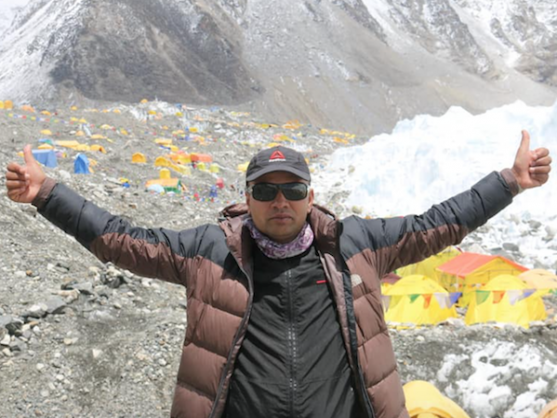
Here are our dates and prices for this Pilgrimage Yatra with us.

Things to explore more..

Kailash Mansarovar is among the remotest pilgrimage destinations on Earth; hence, it involves meticulous logistics to reach there, let alone travel around in that area. It's not possible to fly in or road-travel into Kailash; a long flight followed by several hours of road travel and some walking would be needed.
The route you choose significantly affects the time it will take for your entire trip to conclude and how much stress your body undergoes before you even enter the sacred Parikrama. The easiest route for a 15-day expedition will be the Kathmandu-Kerung pathway, whereas the Lipulekh Pass route from India will have extra days of trekking with the increased altitude. If you wish for a fully vehicle-friendly route, you may consider the Nathu La Pass route that is ideal for pilgrims who can't undertake long trekking.
Whichever route you prefer as your point of entry into the sacred lands of Tibet, it's important to know that all traveling within the nation is strictly monitored.
Traveling independently in Tibet is against the law with Chinese authorities, and every pilgrim is to journey in an officially registered, organized group accompanied by a registered Tibetan guide and transport only via permitted tour vehicles (4WD Land Cruisers or Tourist Buses). Familiarizing yourself with the layers of transport is crucial before making any bookings.
Getting to Kathmandu
Tribhuvan International Airport (KTM) in Kathmandu has a good international reach to major hubs throughout Asia, Middle East etc. You’ll find numerous daily cheap budget flights from India: Spice Jet, IndiGo, Nepal Airlines and Air India fly from Mumbai, Delhi, Kolkata and Bangalore, among them: Delhi–Kathmandu flight which should be roughly 1h30min.
If flying internationally, you could transit via Kuala Lumpur, Doha, Singapore or Bangkok. Kathmandu is the hub for all the Yatra trips, therefore almost every Operator includes 2 Nights accommodation in Kathmandu before and at the end of the trip, to carry out the trip’s briefings and permit procedures.
Kathmandu to Kerung (Gyirong) Border
By Road: The road distance from Kathmandu to Rasuwagadhi-Kerung border is roughly 140 km and it takes around 7 to 8 hours. It is a slow going journey due to rough & uneven terrain, unpaved sections and the slow climb from the subtropical climate of Kathmandu Valley to the lofty Himalayan terrain, and has to navigate through towns like Trishuli & Betrawati.
By Helicopter: Helicopter tours are also an option to save your time and discomfort of driving and are also very convenient for older travelers or those traveling under tight schedules; for helicopter you will be flown from Kathmandu up to some altitude from where you drive towards the border this could cost anywhere from $500 to $1500 in addition to regular packages but is really worth considering for certain category of travelers.
Inside Tibet (Kerung to Mansarovar to Darchen and back)
You'll be transported on all overland sections of your trip through Tibet by 4WD vehicle. These vehicles are all sourced through your fully-licensed tour operator, as will any tourist bus if you opt for that instead. On all trips, the vehicles form a convoy and must stop at various checkpoints for permit checks. The road quality on the plateau has improved a lot recently, the Friendship Highway and its side roads to Darchen are now largely tarmac, making for a smoother trip than even 10 years ago. But there can still be some nasty river crossings and rough bits near Saga, particularly after rain.
The Lipulekh Pass Route is the oldest, most sacred, and most taxing of the three approaches to Kailash. It is the sole property of the Ministry of External Affairs (MEA), Government of India, with movement in batches only. The process involves travelling from Delhi via train or bus to Kathgodam, thereafter driving through the Kumaon hills of Uttarakhand through Almora, Dharchula and Gunji before arriving at Lipulekh Pass (5,334 m), the high-altitude gateway which is the border crossing into Tibet.
From Lipulekh, the way then goes down to Taklakot (Purang) and beyond. Over 90 km of trekking is a must on this route over multiple days in adverse conditions. The Lipulekh pass is harder but by all accounts immensely more spiritually rewarding.
The most convenient option via land for Indian pilgrims is via Nathu La Pass. This option is best suited for the elderly, weak, those less inclined towards a lot of trekking, or who prefer a motorable journey. The MEA also runs the Nathu La route.
From Delhi, pilgrims fly to Bagdogra and proceed towards Gangtok(Sikkim) via a road journey, then further proceed to enter the border of China through the Nathu La Pass (4310 m).
The border crossing at Nathu La is motorable, and no high-altitude trek is needed to reach China, whereas it was the case in the Lipulekh route. Once you reach China, all the way to Mansarovar and Kailash will continue via road. Please note that the Kora (parikrama around the Holy Mountain Kailash) will continue as a trek only, and there are no roads around the Holy Mountain, as you need to complete a 52 Km trek. You can hire a horse/pony for the Kora if you are unable to complete it on foot.
The cost of the Nathu La tour is the most expensive among MEA tours because it is a road-based tour, and the accessibility and convenience it offers are also unmatched.
The Parikrama is the most challenging part of the whole Yatra. Vehicles are not allowed in this 52 km circumambulation of holy sites. The terrain is rough, rocky and goes up sharply to the Dolma La Pass, 5,630 m, and then down, again steeply, on the other side.
Your options for completing the Kora are limited but clearly defined:
|
Mode |
Availability |
Notes |
|
On foot |
Default for all pilgrims |
Most rewarding, requires good fitness |
|
Pony/Horse |
Available at Darchen |
Recommended for those with knee/health issues |
|
Yak |
Limited availability |
Slower, primarily for carrying luggage |
|
Porter |
Available via operators |
To carry your daypack and bags on the trail |
Spring and Autumn are the best seasons for Kailash Mansarovar Yatra, as they allow pilgrims to travel under clear skies, away from the high volume of crowds. The hiking trails are peaceful, the aura serene, and the entire experience even more profoundly spiritual. However, the majority of travellers pick June as the best month to embark on the spiritual quest.
The best time for Kailash Mansarovar travel season starts with Spring. The Tibetan Plateau gradually comes alive from winter, and trails start to open with crisp mountain views, dry tracks, and clear skies. May is generally considered the peak month in the Spring season.
At this time, the roads are generally more secure and stable, the waters of Lake Mansarovar typically begin to melt, and passes like Dolma La are typically free from snow.
April weather, on the other hand, can be very cold and unpredictable, and there might be lingering snow along the high routes, particularly Dolma La Pass. Hence, it is best suited for more seasoned trekkers and pilgrims with the flexibility of private arrangements. In May, weather conditions become much more amiable, making it a very appealing option for pilgrims looking for fewer crowds than June and July. The air is remarkably clean during springtime, thus rendering this season ideal for photographers.
Pilgrims travelling in May also have the opportunity to be present on the shores of the holy lake on the auspicious occasion of Buddha Purnima, when they can offer prayers under the gentle gaze of the full moon.
Autumn too is arguably one of the most beautiful, if less talked about, times of the year to visit Kailash Mansarovar. After the post-monsoon humidity abates, the air gets crisp, the sky a brilliant shade of blue, and the sweeping vistas of the Tibetan plateau sharp and clear.
September is regarded by seasoned Yatris, avid photographers, and the peace-loving alike as the perfect autumn month, largely because the trails are dry and firm, and are considerably less crowded compared to June and July.
The surroundings of the lake are painted golden, and the snow-capped peaks of Kailash Mount soar high above the tranquil surface of Mansarovar Lake, a majestic backdrop for great photos, sunrise views, and peaceful meditation sessions by the lakeside.
October may bring with it a stronger chill and a bit of unpredictability in the form of potential snowfall over the Dolma La Pass. The travel season typically draws to a close for most travel agencies during the first or second week of October. Thus, October can be undertaken by only the experienced with adequate cold gear.
Autumn months also hold spiritual significance during certain events like Buddha Purnima, which is a time when a full moon night.
The Kailash Mansarovar Yatra is a challenging journey, and being unprepared is literally dangerous. It's not an ordinary guided city tour or a simple trek through the woods. It requires persistent, extreme-altitude walking, extended days of trekking over harsh terrain, and conditions even hard-core mountaineers will find taxing. The crossing of Dolma La Pass – 5,630m high - on Day 2 of the Parikrama involves an ascent of about 550m and a descent of 840m in one go, with an extremely steep, stony (and sometimes icy) track.
And still, pilgrims of all fitness abilities manage to finish the trek every year because the secret is not to be an elite athlete, but to be properly trained for the demands of this particular trip.
The government's standard for MEA routes requires pilgrims to pass medical tests, while for private tour operators via Kathmandu, it is a strongly recommended requirement for the welfare of all pilgrims.
The number one greatest health hazard for the Kailash Mansarovar Yatra is something even the fittest of bodies, the most ardent devotion or the greatest strength of will can’t save you from. It is Altitude Sickness (officially called Acute Mountain Sickness, or AMS). AMS is when your body doesn’t cope well as you move up rapidly to lower oxygen levels. Over the course of the Yatra, you will have several back-to-back days at 4,500+ meters altitude, and your maximum altitude is Dolma La Pass, which stands tall at 5,630 meters, where there is about half the oxygen to your lungs as there is down at sea level.
What makes AMS on this route really dangerous is the remote location; medical facilities don't exist on the route beyond Darchen. There's no hospital, no emergency room, no specialized medical treatment to be found on the Parikrama. The nearest, even under perfect conditions, could be hours away and severe weather can prevent a helicopter medivac for days.
It is the one thing, of the highest importance, that will either save you or another trekker's life. Everyone in your group needs to know the symptoms of AMS and must have the nerve to report their own signs or someone else's when they occur.
The Chinese government has tightly controlled travel to Mount Kailash and Lake Mansarovar. The journey takes place in the Tibet Autonomous Region, and thus, tourists aren’t able to travel there individually, only through organized tours run by Chinese travel agencies that have special permissions to conduct Mount Kailash tours.
They are expected to arrange for necessary Permits and a China Visa for Tibet travel beforehand. However, a good tour agency will deal with it for you by following a certain required procedure, so you only need to get the proper materials ready in hand in time prior to tour arrangement,e.g. Scanned copy of your passport.
A Tibet Travel Permit (TTP) is an important permit that all foreigners need to carry to enter Tibet. The Tibet Tourism Bureau provides the TTP, and it is necessary for any traveller going to Tibet. You can't enter Tibet or board the flight/train to Tibet from mainland China, or cross the border into Tibet from Nepal without the permit. As there's no direct application, you need to apply for it through any registered tour agency for your Kailash Mansarovar Yatra.
Mount Kailash and Lake Mansarovar are in Ngari Prefecture, which is one of the areas in western Tibet under special permit. This means you need another permit apart from the Tibet Travel Permit for traveling out of Lhasa to restricted areas in Tibet. The permit is called an Alien's Travel Permit, which the Public Security Bureau issues after you arrive in Tibet and can be applied for on your behalf by your tour operator, with nothing to do on your end.
Western Tibet, including the region of Mount Kailash are restricted by the Military Permit as the areas are near the border areas. The relevant Chinese government will issue the Military Permit, and all foreign pilgrims should have this permit before their trip. Your travel agency will apply for it for you along with the others when they prepare the tour.
Since the Kailash Mansarovar region shares proximity with the Nepal-India border region, it is necessary for every traveler to arrange a Border Permit too. The permit facilitates travel for foreign tourists in the permitted border areas of Tibet, Nepal-India border areas as well, and all of these would have to be submitted along with other travel documents and the Tibet travel Permit, which comes as included in Kailash Tour packages without the travel agents to submit it on the traveler’s behalf.
To get to Tibet via Nepal, you will need a Chinese Group Visa, which is unlike a regular Chinese visa. Your tour operator will organize for you to obtain a Chinese Group Visa from the Chinese Embassy in Kathmandu, if you are entering China in this manner. Participants need to have their original passport lodged with their tour operator on arrival in Kathmandu.
Chinese Group Visa processing time varies but often takes a number of working days, which is why trips usually include a short stay in Kathmandu before they travel on.
Any Chinese visa already on your passport usually does not apply.
Your tour operator takes care of the permit procedures. One of the most convincing reasons for selecting an established tour company is the entire permit procedure that is taken care of by your tour operators. Once you have the necessary paperwork to them at the appointed time, they get the China Group visa, Tibet Travel Permit, Border Permit, Military Permit, and Alien's Travel Permit arranged with the concerned departments.
All you do as the traveler is provide the essential paperwork and carry out your tour operator's directions, and then you will be prepared to go ahead for one of the amazing experiences of your life.
In addition to the permits, you'll need to keep a number of additional papers close at hand. You'll pass numerous border crossings, military checkpoints, and permit checks on your way through the country, and you'll be asked to show them for verification. Under no circumstances should you stash them in the bottom of your backpack or in your checked bag.
6 passport-size photographs (white background, recent)
Passport + minimum 4 sets of photocopies (personal details page and visa page)
Travel insurance policy document (must specifically cover high-altitude trekking above 5,500 m and emergency helicopter evacuation)
Medical fitness certificate
Blood group card (laminated if possible)
Emergency contact information (printed, not just saved on your phone)
All permit originals in a waterproof document pouch
It is natural to ask yourself what compels people to seek this experience, especially with a journey not within everyone’s comfort zone. Mount Kailash is a divine abode and a pilgrim’s dream for multiple religions, not just one.
Hindus believe Mount Kailash to be the home of the great Lord Shiva, the destroyer. Buddhists see it as the dwelling of Demchok, a deity who represents wisdom, compassion, and supreme bliss. Similarly, Jains believe Mount Kailash to be where their first Tirthankara attained liberation.
The best time to plan this spiritual journey is from May to October every year. These months have the best weather conditions and excellent visibility. From November to March, the Kailash Mountains experience heavy snowfall, and the routes are closed.
The Mount Kailash & Mansarovar journey is in Tibet, an autonomous region of China, and it is officially open for pilgrimage trips only from May onward. Therefore, we will be taking this spiritual journey within the suggested timeline.
In general, there are no official age restrictions for the Kailash Mansarovar Yatra. Travelers between 10 years and 70 years old can undertake this sacred spiritual journey. However, Chinese/Tibetan authorities restrict the maximum age to 70 years for this trip.
So, we can say that the age limit for the Kailash Mansarovar Yatra is between 10 and 70 years.
For safety and flexibility, the typical group size for the Kailash Mansarovar Yatra is 20–30 people per group. However, during the journey, you may see larger groups of 50–100 people, which can make the experience different due to the large number of participants.
Classic Vacations Nepal specializes in small group departures to provide the most professional and personalized services for the Kailash Mansarovar journey.
Yes! If you are planning this spiritual journey with a minimum of 4 to 6 people as your own group, we can still organize the trip for you. If your dates are flexible, we can arrange your Kailash Mansarovar Yatra as part of one of our group departures.
However, if you prefer a private journey with your own group of friends, we are happy to organize a private Yatra as well. Ideally, a small group of 6 to 10 people is best for this trip. But if you have 4 to 6 people, we can still organize a private trip with an additional small-group supplement.
Let us know your preferences, and we’ll plan accordingly!
As this pilgrimage takes you to the high mountain region of Tibet, particularly Mount Kailash, and involves trekking the Kailash Kora (Parikrama), participants must be in good physical condition. The route is at high altitude and requires a challenging walk. Therefore, it is important to be in good health and free from serious medical conditions such as heart disease, high blood pressure, asthma, or lung disease in order to join this journey with us.
Those with serious health conditions should consult their doctor before planning the trip and obtain approval, along with proper medication, to ensure they are fit for the journey.
The 15-Day Kailash Mansarovar Overland trip journeys from Kathmandu, crossing the border at Kerung (Gyirong), travelling across the Tibetan Plateau via Saga before arriving at the foothills of Mt. Kailash in Darchen. It is the conventional road-based itinerary, which includes planned acclimatisation stops at Kathmandu, Kerung and Saga before finally leading pilgrims towards the serene banks of Lake Mansarovar, from where they can commence their sacred 3-day Mount Kailash Parikrama.
The 15-Day Kailash Yatra is safer because the route allows for a slow, gradual ascent by road, which provides adequate time for the human body to naturally adapt to high altitudes. Shorter helicopter and helicopter/flight-based travel Packages offer quick ascent, which results in an increased risk of Acute Mountain Sickness (AMS). By allocating dedicated acclimatization days in lower Tibetan towns such as Kerung (2,900m) and Saga (4,450m), the body naturally adjusts to high altitudes and acclimatizes before encountering the infamous Dolma La Pass at 5,630m.
Indian citizens should be in possession of a valid passport with a minimum validity of 6 months, along with an attested medical fitness certificate. This tour is conducted under a special China Group Visa – Indian citizen tourists and regular visas are not allowed for travel in the Tibet region. As authorised travel agents, we procure the relevant Tibet Travel Permit (TTP) and apply for a Physical Group Visa through the Chinese embassy in Kathmandu on your behalf using your original passport (3 to 4 days before departure).
Only the final leg of the 15-Day Kailash Yatra is actively engaged in trekking, which constitutes the sacred 3-Day Kailash Parikrama (Kora), which covers approximately 52 km (32 miles) on foot. The rest of the 15 days are spent travelling in a comfortable and well-equipped air-conditioned tourist coach/jeeps throughout Tibet via paved highway routes. The walking days are divided into three stages: the first 12km on Day 1, the grueling 22km on Day 2 (longest day) and the final 18km on Day 3.
No, the 15-Day Kailash Yatra is accessible seasonally only during May and early October each year. Due to heavy snow, mountain passes remain completely blocked, and Lake Mansarovar remains frozen, making the high-altitude Dolma La Pass impossible to cross safely. Hence, it is completely closed from November till April due to inhospitable climatic conditions and closure of high-altitude routes.
100% Pure Vegetarian breakfast, lunch & dinner is arranged and prepared fresh daily by our professional private Nepalese kitchen crew and support Sherpas. These staff will travel with your group in a separate support vehicle across Tibet and cater meals not just in cities, but also on the road, and even in the trekking campsites at Dirapuk, while serving hot, fresh, hygienic, and nutritional Indian & Jain meals to pilgrims.
In the event that the pilgrim is severely affected by acute altitude sickness (AMS), our support crew will administer immediate medical aid (Oxygen/stabilising medications) and promptly move down to a lower altitude by the support vehicle. Our team will have a fully equipped support vehicle carrying a pulse oximeter, oxygen cylinders, and advanced medical oxygen facilities always available to transport the patient down to a suitable location in Tibet for better medical assistance, or to the Nepal border if necessary.
Yes, you can circumnavigate 105 kilometers of sacred Lake Mansarovar via an environmentally friendly Chinese government luxury tourist bus. This leisurely 3–4-hour drive around the lake will allow you close views of its sacred waters, and the opportunity to select a pure and sacred location on the banks of the lake for undertaking pujas, prayers, and meditation.
Yes. If you possess an existing Chinese visa in your passport (of any type - tourism L, business M, etc.), it will be rendered invalid when you obtain the mandatory Chinese Group Visa in Kathmandu. This is a specialized, single-entry, physical visa issued on a paper document which permanently supersedes all previously issued Chinese visas. You will need to reapply for your original visa once you return to your home country after completing the Yatra.
Yes. You can scoop up some of the water from Lake Mansarovar and bring it to India or Nepal. Ensure that the water is packed in well-sealed plastic jerry cans and placed within your main check-in luggage; hand baggage will be thoroughly searched at the border checkpoints.










 Google
 Tripadvisor


